

NYCB Vol. 15 No. 15 - La Valse


In 1919, Diaghilev requested that Maurice Ravel compose “La Valse.” But Diaghilev was unhappy with the way it turned out and he refused to stage a ballet to it. Instead, Ravel published the music as “a choreographic poem for orchestra.”
Ravel had already imagined the scene though:
“Through whirling clouds, waltzing couples may be faintly distinguished. The clouds gradually scatter: one sees an immense hall peopled with a whirling crowd. The scene is gradually illuminated. The light of the chandeliers bursts forth at the fortissimo. Set in an imperial court, about 1855.”—Ravel
In 1919, Vienna “was a city shattered by war, in the grip of famine, and the waltz a bitter, poignant reminder of a vanished era.” But Ravel denied the work had any symbolic meaning, describing it as “a dancing, whirling, almost hallucinatory ecstasy, an increasingly passionate and exhausting whirlwind of dancers, who are overcome and exhilarated by nothing but ‘the waltz.’” —Frances Wilson
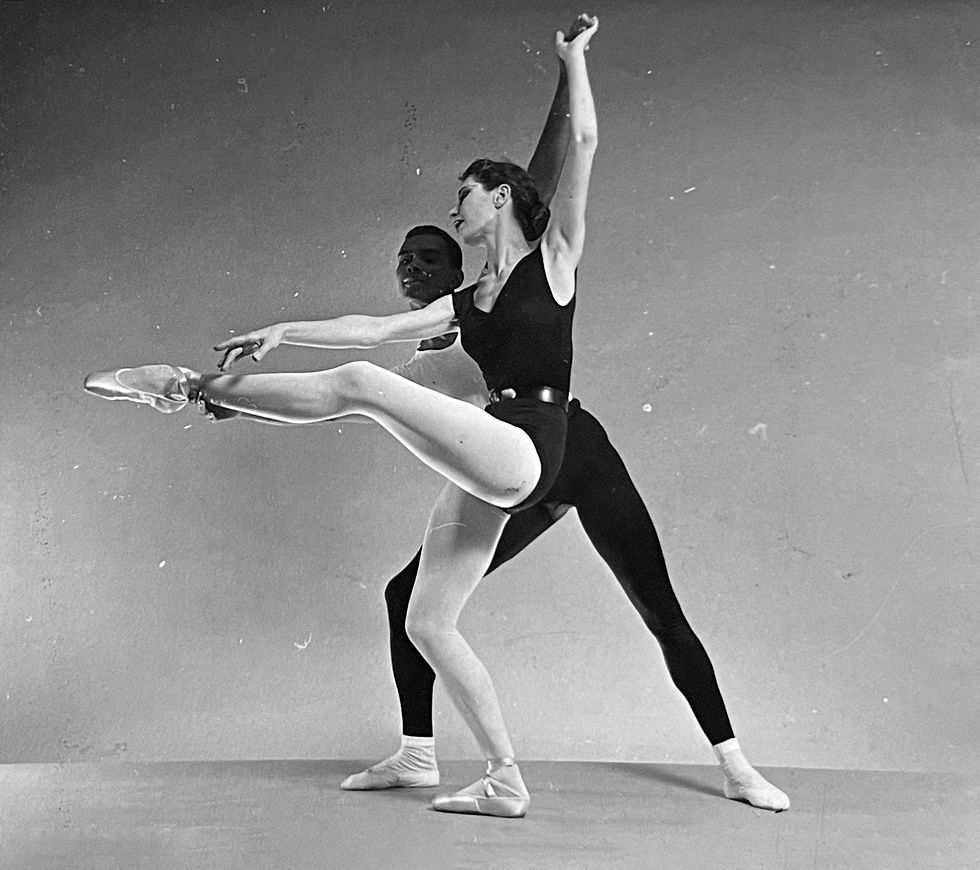
Patricia McBride and Nicholas Magallanes. Photos by Martha Swope, 1962-3.


Comments