

NYCB Vol. 19 No. 14 - Bourree Fantasque

Walter Terry: "Sheer delight. Last evening's audience guffawed, sighed, and cheered as the ballet progressed along an unexpected route from horseplay through tender romance to a flamboyant, circuslike finish. The fun is spontaneous and not at all contrived, the romantic section is fresh yet easy in its movement patterns, and the closing polonaise incorporates practically every known trick for bringing down the house.

Mr. Balanchine's new work is listed as a classical ballet and it is just that. It spoofs ballet and it takes a fleeting jab at the choreographer's own tendency to wind dancers into daisy chains and it tosses in activities which border on the acrobatic, yet its vocabulary, both balletic and gestural, is primarily academic and its choreographic form is as flawless as that to be found in any one of Balanchine's pure-dance masterpieces.
"Much of the opening movement finds its humor in pure kinetics. The dancers commence a familiar balletic enchainement and instead of arriving at a normal resolution culminate their activities in pleasantly zany actions which have a muscular and ironic logic if not an academic one. If the ballerina extends a hand, why grasp it? why not lay your head upon it? If male partners have wondered what the ladies are doing with their feet in an adagio, why not let them function on their own for a moment while the gentlemen lie on the floor where proper analysis may be achieved?

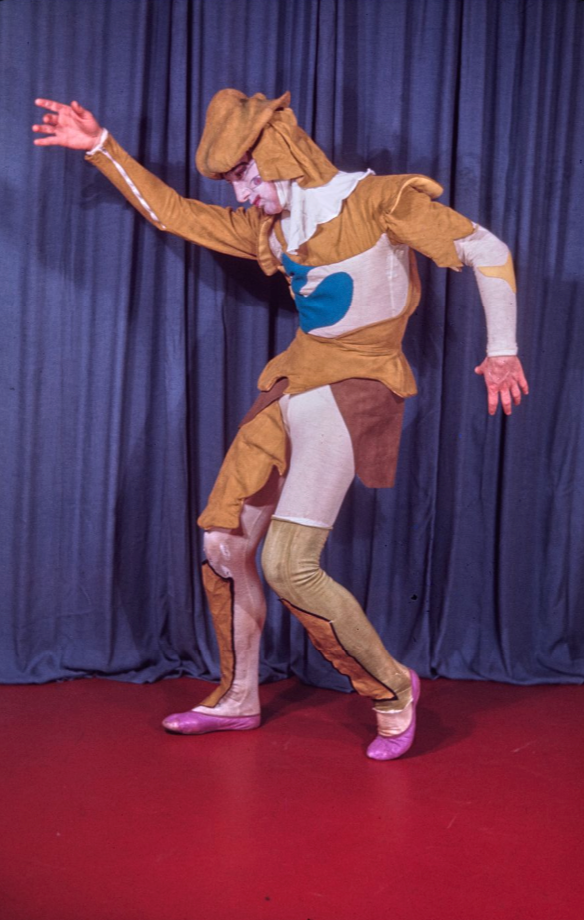
"Tanquil LeClercq and Jerome Robbins were nothing short of triumphant. LeClercq's wide and innocent eyes and her long legs projected the wit of her sequences to perfection, and Robbins, agile as a leprechaun and twice as mischievous, created a character which must be classed with his immortal Hermes in Helen of Troy. The ensemble, too, was fine and very funny indeed.

"Just to prove it could be done, Balanchine jumped from this frolic to the sweetly sentimental Prélude, which starred Maria Tallchief and Nicholas Magallanes, and made us not only accept but be captivated by a totally new mood. It is a lovely section, wistful and searching in quality, a reverie of romance. Miss Tallchief was completely winning in it and Mr. Magallanes supported her through the big and difficult yet soft movements of their duet with gallantry of manner and considerable beauty of movement.

"The Fête Polonaise appeared to bring every dancer in New York upon the stage. What with runs, leaps, beats, and swiftly moving mass patterns, the stage seemed about to burst, but by some miracle, form remained discernible and the curtain came down upon a choreographer's dream (or maybe nightmare) of a sure-fire finale. Janet Reed and Herbert Bliss launched this section in sprightly fashion, but were soon lost, along with the other principals, in the whirl of group action.
"The score, an arrangment of selection from the works of Emmanuel Chabrier, provided the choreographer with a perfect base for his ballet and, as played by Leon Barzin and his orchestra, proved charming in its own right/ The costumes by Karinska, set off by a simple backdrop and gracefully draped white curtains of filmy material, were handsome and chic. "
--Walter Terry, New York Herald Tribune, Dec 2, 1949


Comments