

NYCB Vol. 17 No. 4 - Prodigal Son - Jerome Robbins

In 1950, Balanchine felt that NYCB needed a story ballet in its repertoire, so he revived his 1929 ballet Prodigal Son. He was not especially fond of the ballet because he was obliged to create it on Serge Lifar, who was Diaghilev's favored dancer in the Ballet Russe at the time. Balanchine didn't care for his dancing, but he also felt more personally inspired to create ballets that showcased women rather than men. Prodigal Son was the antithesis of his normal inclination: for it cast a lead man, a father, and a whole corp of boys. The only women were 2 sisters, and the principal female: The Siren.
Regardless, when he revived the ballet in 1950, it was for Jerome Robbins to dance the Prodigal Son.

Melissa Hayden in I Remember Balanchine:
"Jerry Robbins loved Balanchine like son to father. Balanchine was pleased that Jerry wanted to work with the dancers in the company. I think he respected Robbins's talent more than anyone, he respected Jerry's integrity, his ballets, his angst. Balanchine would give Jerry as much time as he needed. Also Balanchine put Jerry in Prodigal Son to dance the lead role. He was divine. Of the various people who did that ballet, I loved Jerry. He had a vulnerability. Jerry was an artist."
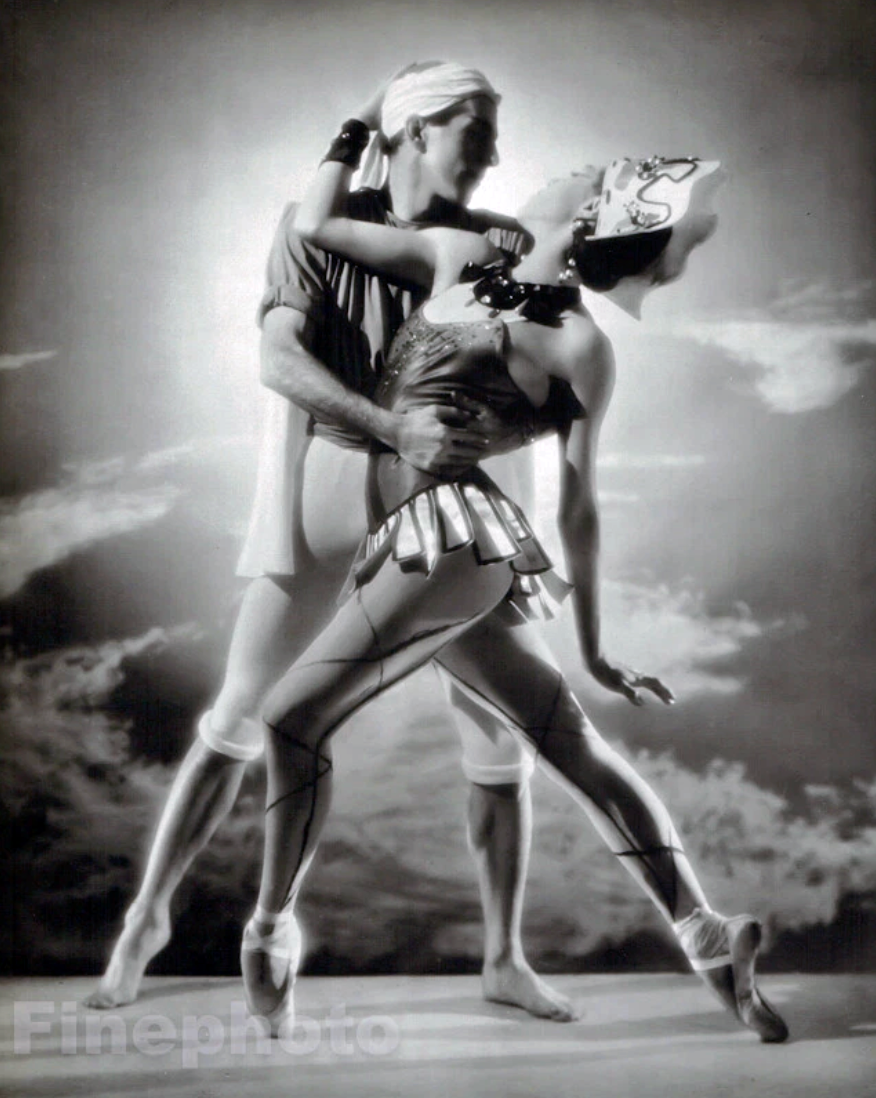
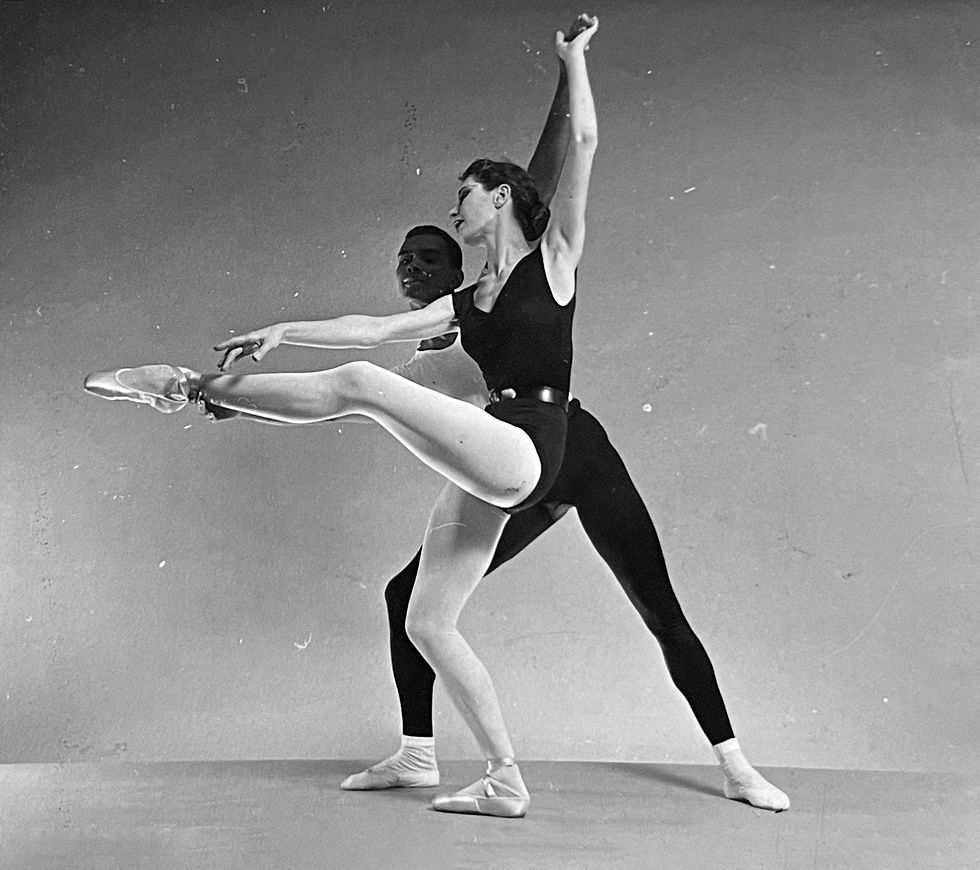
Robbins and Tallchief. (left) Photo by Walter E Owen. (right) Photo by George Platt Lynes, 1950
John Martin in the New York Times, 1952:
"[Prodigal Son] moves with direct and sweeping dramatic force, through fantastically perceptive and daring episodes, to a conclusion of irresistible emotional conviction.
"That such results could have been achieved without Mr. Robbins in the central role is dubious in the extreme, for here is a performance to wring your heart. Only Nora Kaye in the field of the ballet has done anything that approaches it. It is dramatically true and touches deep; there is not a movement that is not informed by feeling and colored by the dynamism of emotion. Yet it is done with complete simplicity and lack of straining for effect. The role is also a demanding, one technically for it is by no means a matter of miming, and Mr. Robbins dances with power and brilliance. Certainly here is the first dramatic dancer of our ballet"
(right) Photo by George Platt Lynes, 1950


Comments